
Planning A Euro Summer? 12 Lessons My Trip To Italy Taught Me
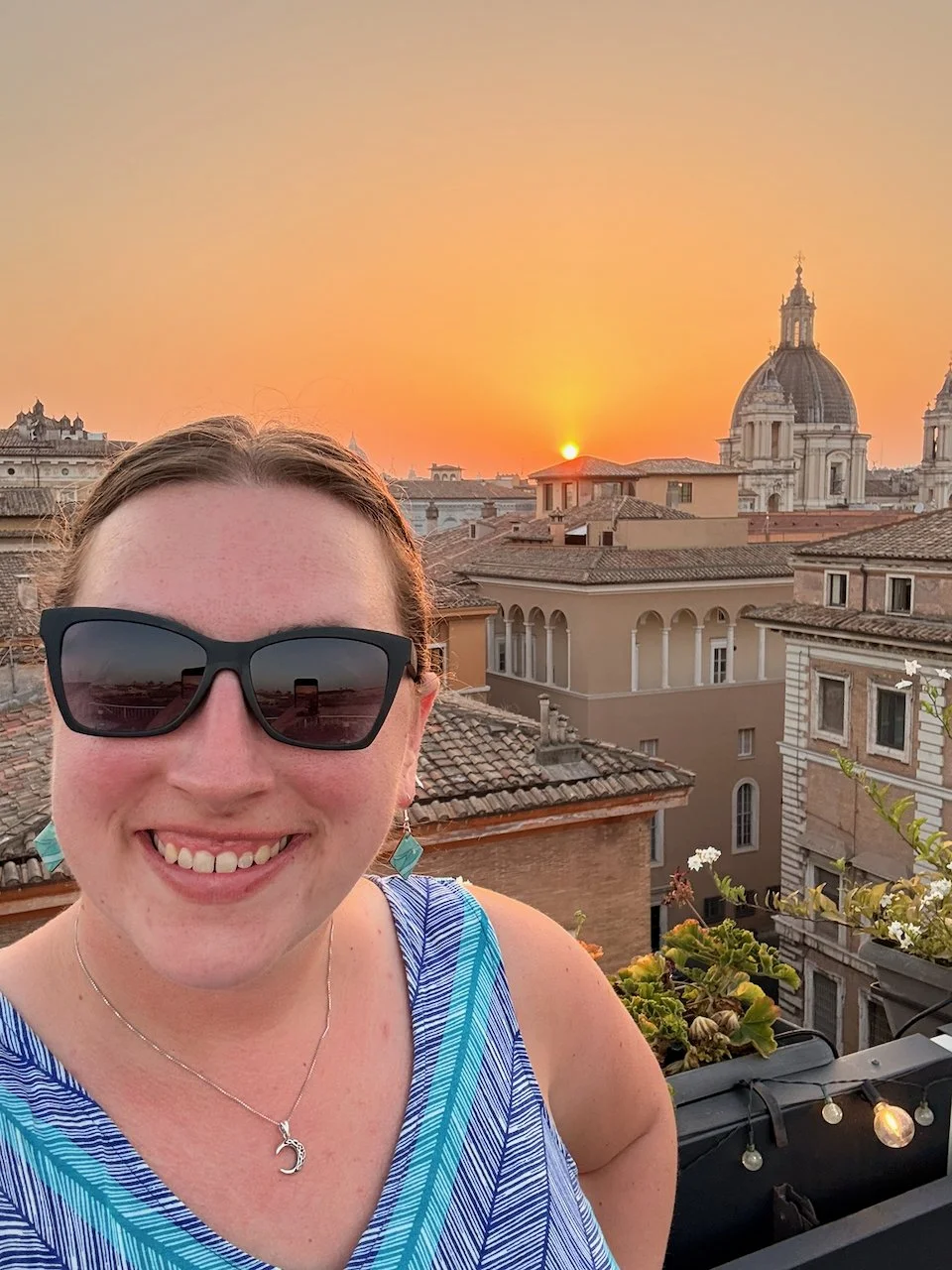
Enjoying sunset on the rooftops of Rome
12 Tips From A Travel Advisor For Navigating Euro Summer
I just got home from two incredible weeks traveling through Italy. There were historic tours, leisurely dinners at sunset, art-filled afternoons, spritzes enjoyed on rooftop terraces, and walks around medieval villages. It was the perfect Euro Summer trip.
But traveling Europe during peak season isn’t all sunshine and postcard views. It’s also crowded city centres, rising temperatures, and sold-out excursions. As I navigated the Euro Summer madness, I learned a few tips and tricks for how to really enjoy your time abroad and get the most out of your vacation. If you can, I always suggest traveling during low or shoulder seasons to help with the heat and overcrowding, but sometimes your schedule just lands you right in the summer peak season!
Here are the biggest lessons my trip taught me that can make your next European summer vacation that much better. Hopefully these tips will help you skip a few mistakes and spend more time soaking up what makes a Euro Summer unforgettable.
1. The Best Way To See A European Town Is To Get Lost
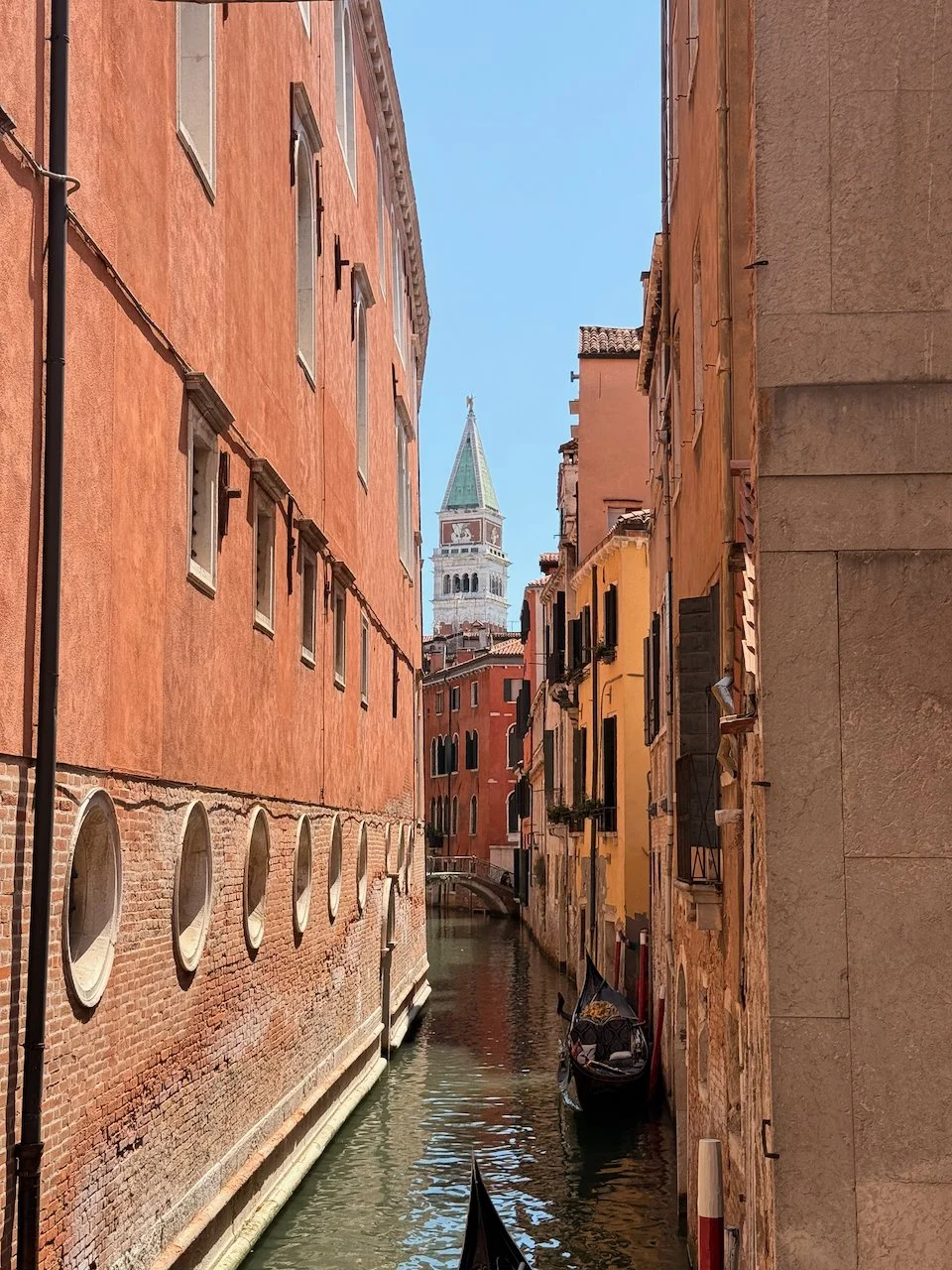
One of the many hidden canals of Venice
Of course you’ll want tickets to the Colosseum and reservations to the pasta restaurant you’ve been eyeing on Instagram, but don’t make the mistake of scheduling every minute of your day.
Some of my favorite moments in Italy happened when we wandered with no destination in mind. Venice is a maze of canals, bridges, hidden alleyways, and tiny squares. Getting lost in the city let us see a more authentic side. We discovered quieter canals with fewer tourists, artisan shops, and family-run cafés.
The beauty of getting lost is that you stop trying to check attractions off a list and start experiencing the city instead.
2. Food Tours Offer A Unique Look At A Region
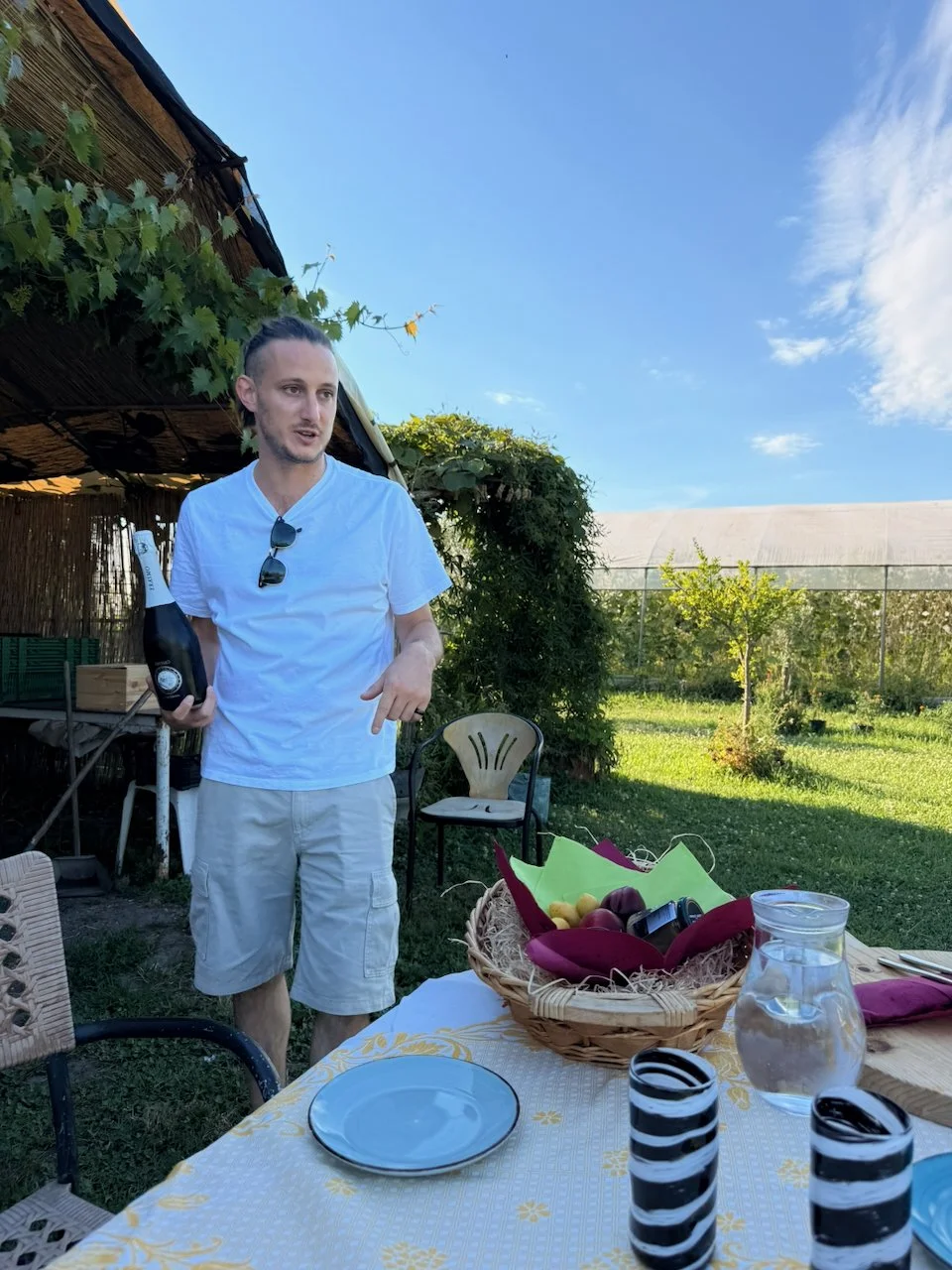
Enjoying a private visit to one of the farms on Sant’Erasmo and tasting the local produce
A big reason people travel to Italy is the food. Pasta, pizza, tiramisù, gelato, bruschetta, prosciutto, olive oil, wines, spritzes… You can eat and drink your way through this country.
A food tour is the perfect way to taste all the flavors of the country. In Venice, we joined Eating Europe’s boat-based food tour, the only one of its kind in the city. Instead of following the crowds, we took the small boat to the peaceful island of Sant’Erasmo. There we visited a family farm, sampled produce grown right on the island, and tasted the only prosecco produced in the Venetian lagoon.
Our guide, Giole, had personal connections with local producers, chefs, and shop owners after his years as Venice’s market manager. We had dining experiences we never would have had on our own. The perfect way to get off-the-beaten-path and see a new side of Venice.
We did another food tour in Florence to try the flavors of a different region. Our small-group food tour with Intrepid introduced us to many mom-and-pop shops serving authentic Italian cuisine. The route changes depending on the day, which allows the guides to create really unique tours.
Food tells the story of a destination just as much as a museum can.
3. The Best “Hidden Gems” Usually Aren’t Trending On Social Media
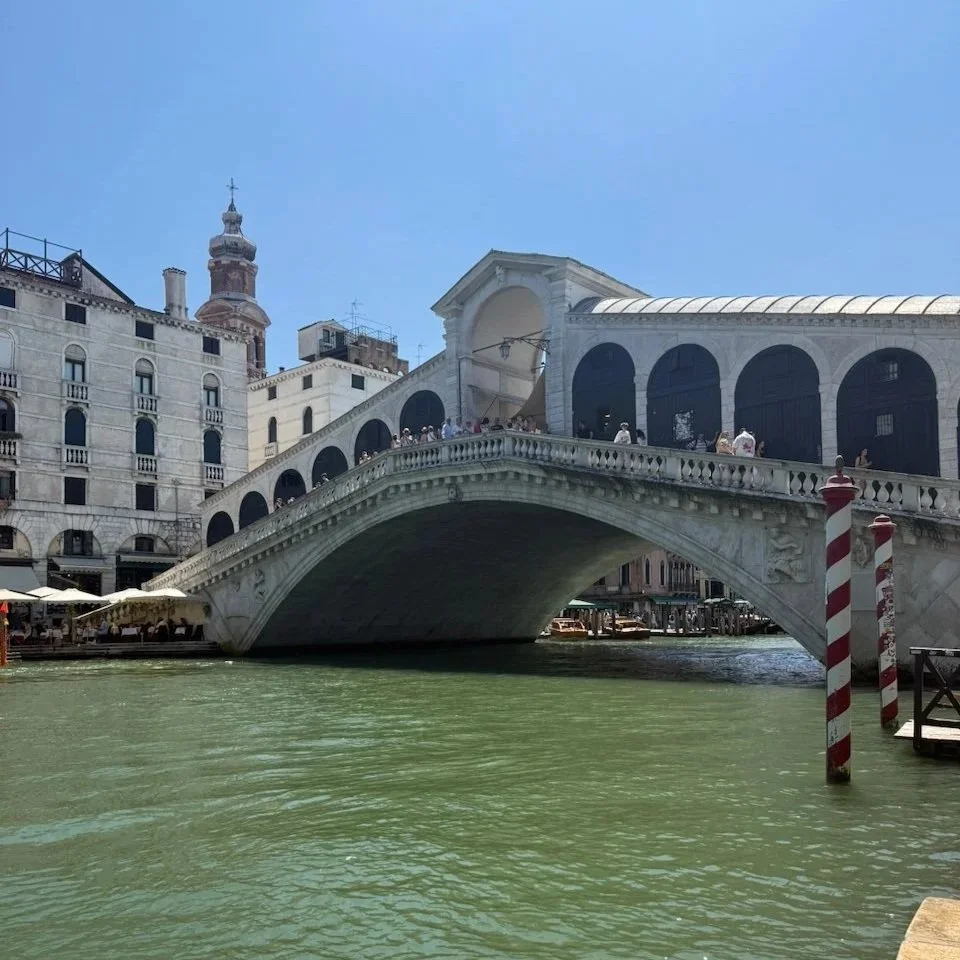
Ponte Di Rialto from a hidden alley - much less crowded than being on the bridge itself
Social media has made finding “hidden gems” a little more difficult. When a shop or experience goes viral, it gets added to a lot of people’s itineraries. That’s not always a bad thing, but it’s important to talk to locals and find the real hidden gems.
Take Venice’s Ponte Di Rialto. It’s one of the city’s most iconic landmarks, so naturally everyone wants a photo standing on the bridge. We walked across it, squeezing through the crowds, and realized the views from the bridge aren’t all that special. We much preferred finding a quieter spot with views of the bridge; fewer people and a more interesting photo.
Another hidden gem we enjoyed was eating dinner at one of the only two places you can get wood-fired pizza in Venice. It was the best pizza of the whole trip and was not overrun with tourists thanks to our privately guided tour. It was truly hidden in a place only locals would know about.
Use social media for inspiration, but leave room for local recommendations and places that haven’t gone viral yet.
4. Prioritize Artisan Experiences
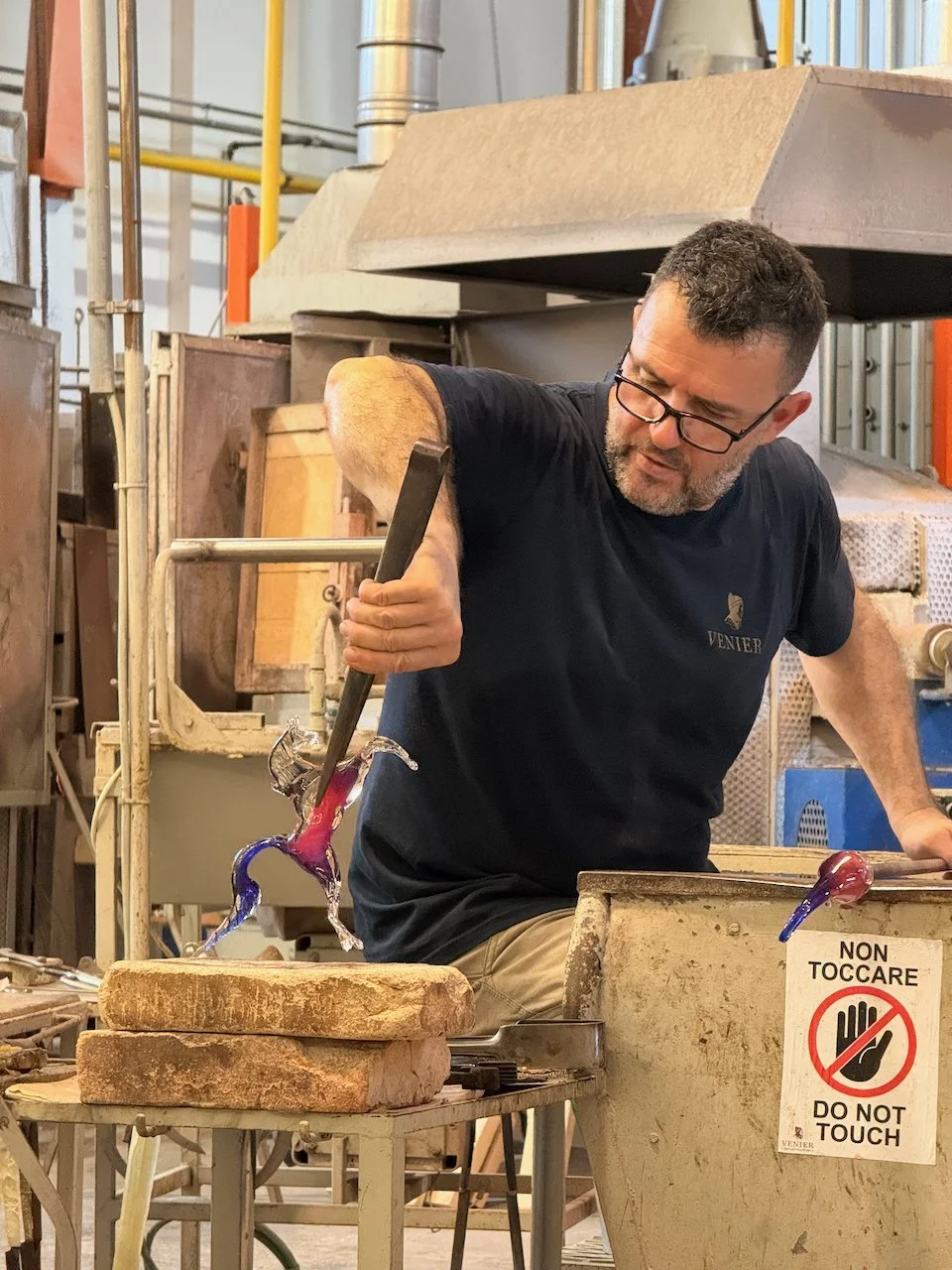
Watching a master artisan at work is an experience that is so unique to the place you’re visiting. In Murano, we visited Vetreria Venier, a working glass factory that has been creating Murano glass since 1291. It’s a real factory where master glassmakers spend years perfecting their craft. Vetreria Venier invented crystal-clear glass and reading glasses.
We watched glass master Diego show off his 20+ years of experience. Our guide challenged Diego to make something beyond the traditional drinking glass. Diego delighted us by creating a glass animal figurine. The artistic craftsmanship is magical. We also observed three masters working together over 40 minutes to create a glass vase valued around €10,000. It was like watching a choreographed dance; each person knew where they had to be and what step came next.
When we arrived in Florence, we wanted to continue seeing some of Europe’s oldest traditions, so we booked an artisan tour. We visited Scuola del Cuoio, Florence’s leather school, and learned about different leather techniques. We met Francesco, the only master gilder in Florence, and saw how he applied gold leaf entirely by hand. We also toured one of the few remaining mosaic workshops where tiny pieces of stone are individually cut, shaped, and assembled into works of art that can take months to complete.
Many workshops, like Vetreria Venier, have huge store rooms where you can buy a piece of art as a souvenir. They can safely package or ship your purchases home. The most meaningful souvenirs are the ones that reflect the traditions of the city you’re visiting.
5. Be Okay With Inflated Summer Pricing
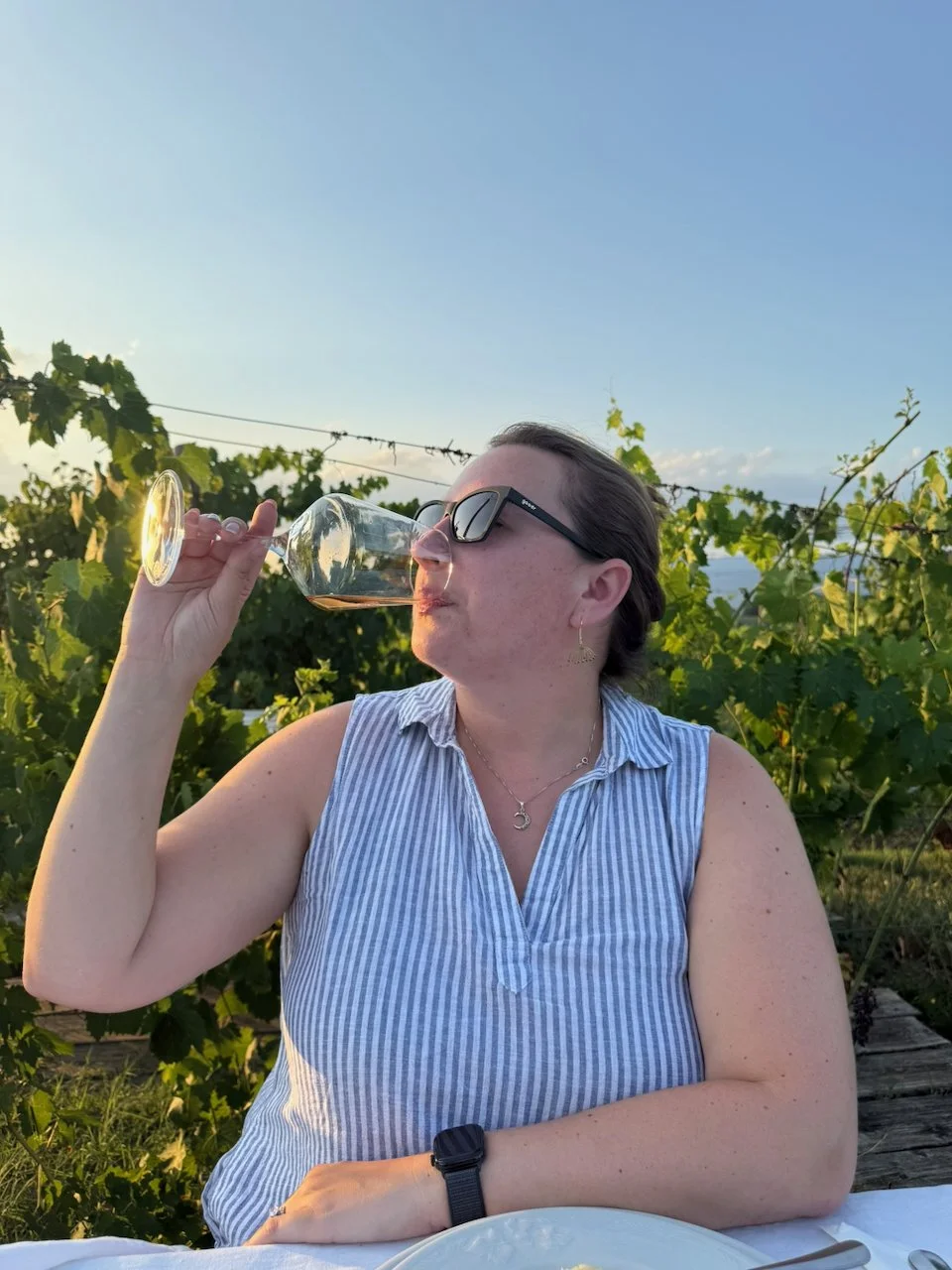
Private dining in the vineyard on a hidden farm in Tuscany - a meal of all locally made products
Traveling to Europe during peak season means that prices for food, activities, and accommodations may be higher, but it’s worth it.
Full disclosure, the spritzes were expensive. Would I normally spend that much money on a cocktail at home? No. Would I happily buy it again if it meant sitting beside a Venetian canal as the sun dipped below the rooftops? Absolutely yes. It’s part of the experience.
You’re paying for long evenings spent outside, lively town squares filled with music, and all the fun that comes with summer.
6. Choose A Hotel Away From The Crowds
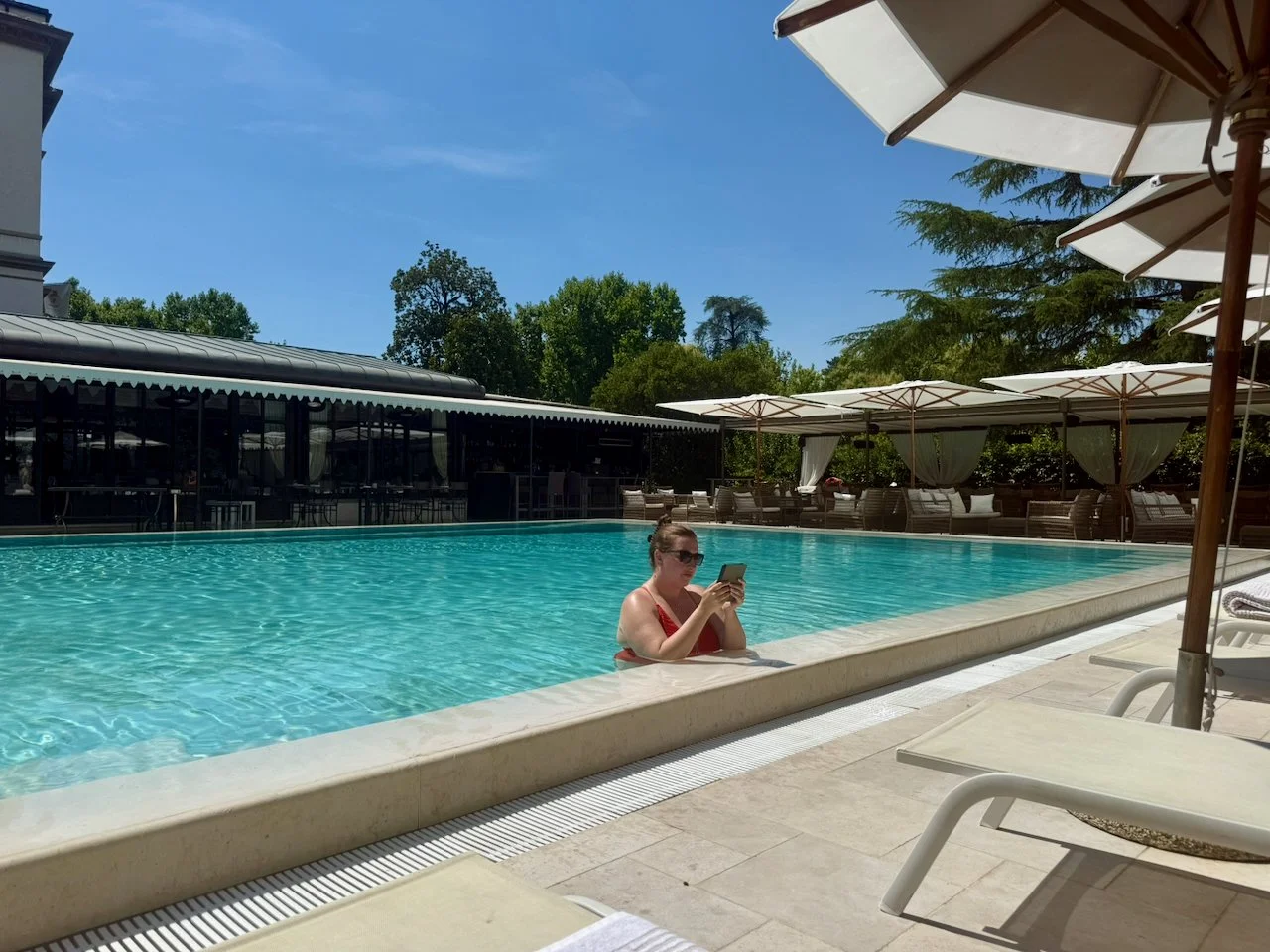
Cooling off at Villa Cora - located just outside the city center of Florence
Crowds are a part of Euro Summer. You’re a tourist, surrounded by other tourists, and there are few ways to avoid that. The trick is making sure you have somewhere peaceful to return to at the end of the day.
One thing I loved about the hotels we stayed in was that each one felt like a retreat. The luxury hotels we chose were within walking distance of the iconic sites without being in the chaos. With rooftop terraces, backyard pools, and on-site dining, our stays helped us escape the afternoon heat and crowds.
Looking for hotel recommendations? I’ve shared all my favorite stays in my Ultimate Italy Hotel Guide.
7. Don’t Skimp On Your Arrival Service
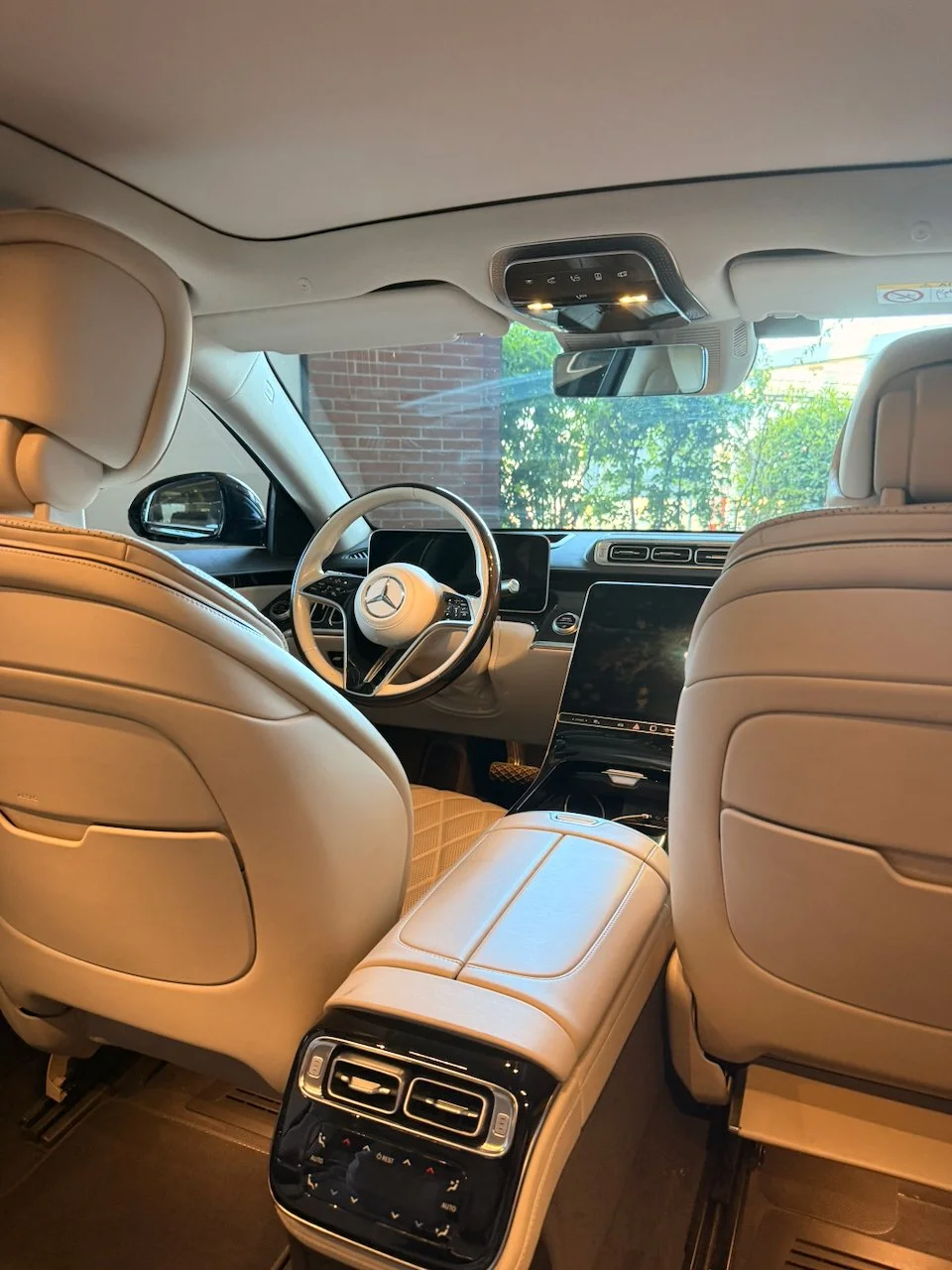
Greeted at the airport and whisked away in our private transfer
The arrival service you choose can completely change how you start your trip. We were greeted by a private driver and went from plane to hotel lobby in an hour. We didn’t have to worry about where we were going or how to get there. Plus the Mercedes we were picked up in had massage seats! Selecting an arrival transfer means you can relax immediately and enjoy your destination the minute you hear, “Flight attendants, prepare for landing.” It’s one of the few luxuries I insist every traveler should indulge in when we book you a trip.
8. Booking A Private Guide Is The Way To Go
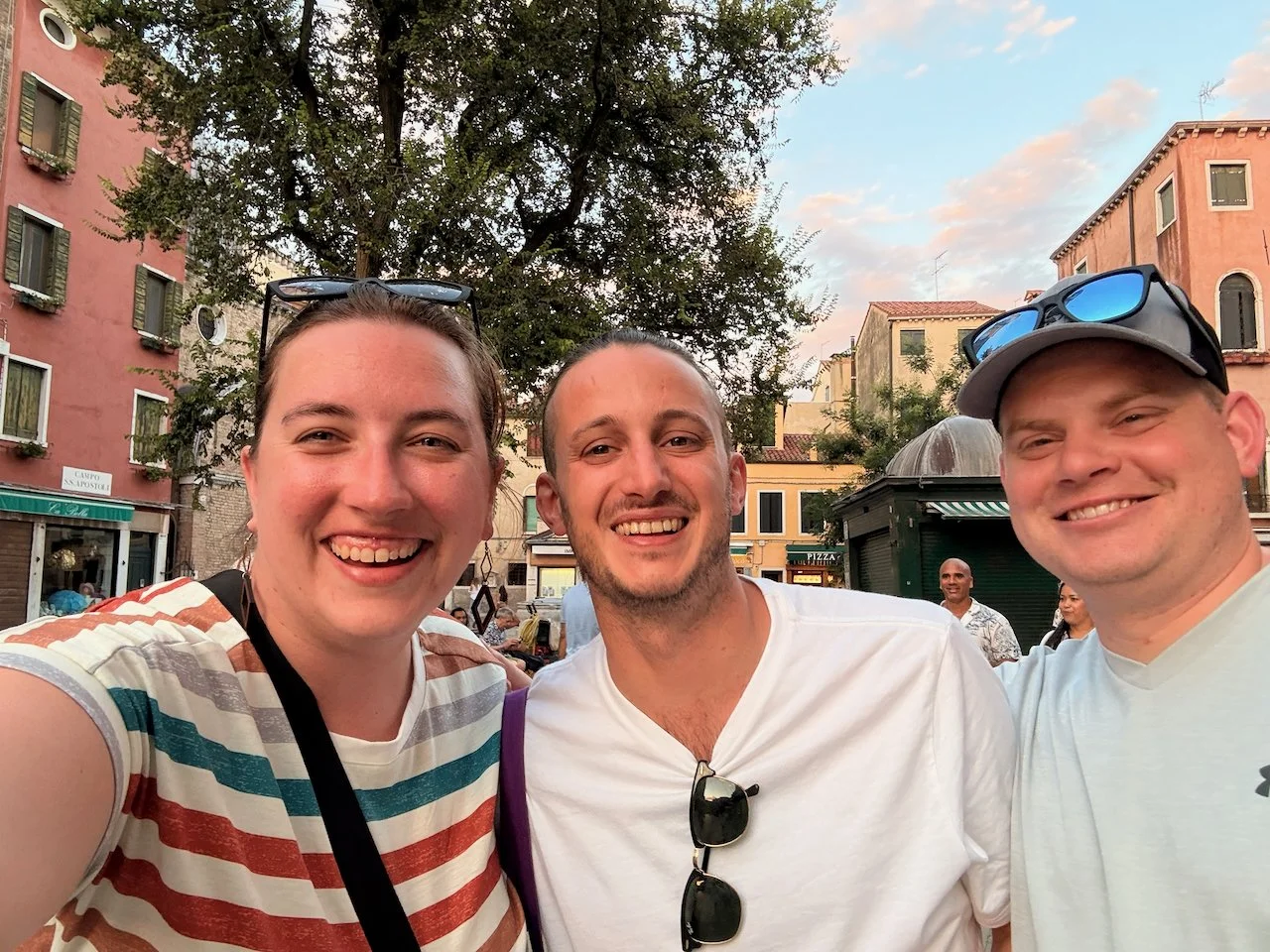
Our guide Gioele from our boating food tour in Venice
Book a private guide for Euro Summer. We had guides in every city we visited in Italy, and it made such a huge difference. Having a local guide brings the history to life through vibrant storytelling. They explain the little details you would have walked straight past. They know where the crowds are heading and quietly take you somewhere better.
In Florence, our guide Katerina brought Michelangelo’s story to life long before we ever stood in front of the statue of David. She first took us to Basilica di Santo Spirito, where one of Michelangelo’s earliest wood carvings remains with no crowds around it.
She also introduced us to one of the city’s most famous affogatos at Vivoli Gelateria. Having become famous on social media a few years ago, there’s normally a long line stretching outside the door. This is another moment where a private guide is worth it. The owners decided that locals and guides can skip the line and walk right in. Trust me, it’s no fun standing in the full sun for 45 minutes waiting on your sweet treat.
Across Venice, Florence, and Rome, our guides knew how to navigate timed-entry lines, crowds, and access to quieter vantage points. It’s so worth the investment at the most popular spots. Plus, a private guide makes a fantastic photographer when you otherwise would be taking a selfie.
9. Reservations Are Essential During Peak Season Travel
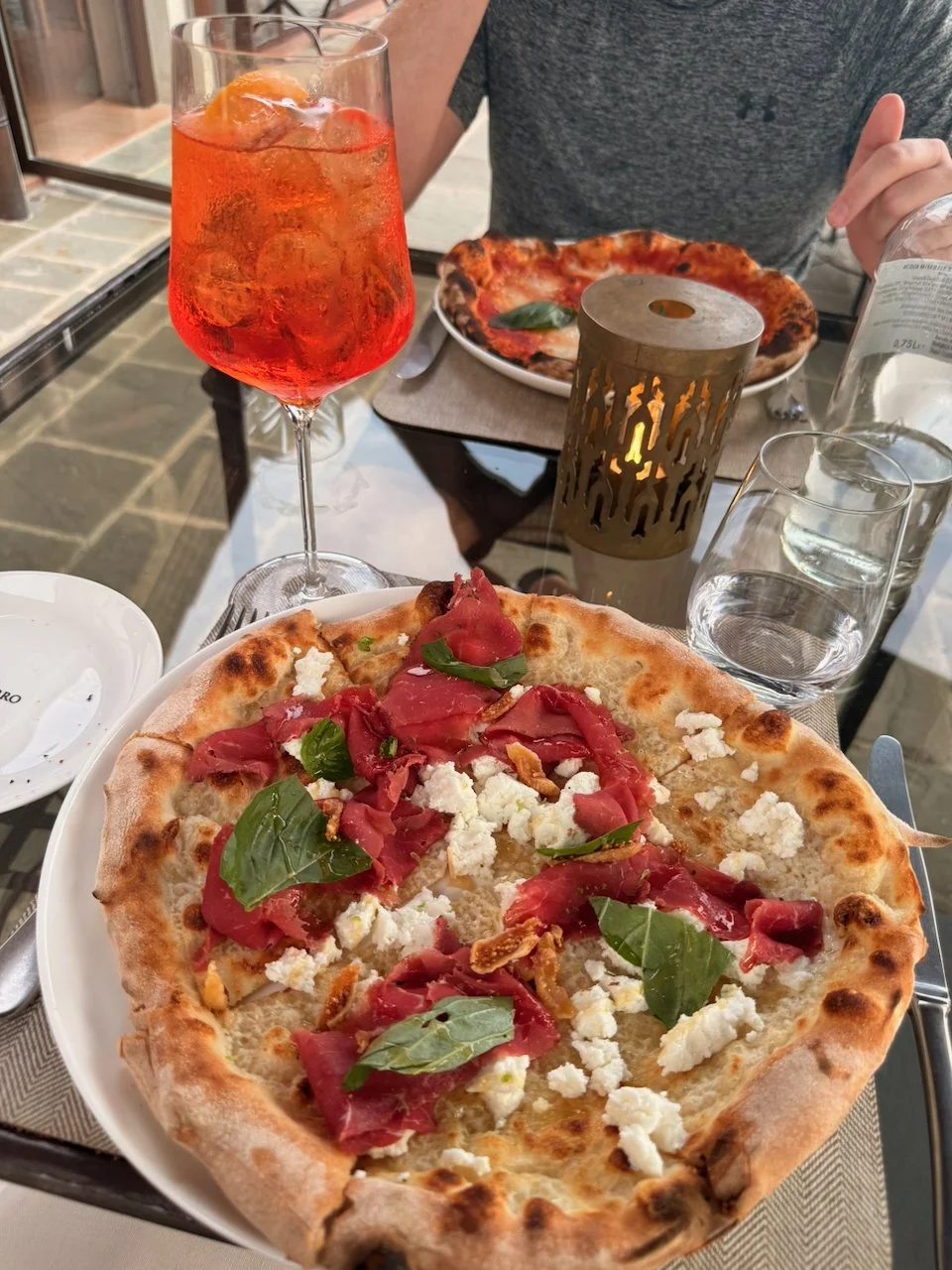
If you have your heart set on a particular restaurant, you’re going to need a reservation. The best tables go first, especially those on rooftops or overlooking water. Walk-ins are possible, but you will likely have to wait. Typically, the restaurants that have open seating will be those that primarily cater to tourists. For the authentic, local restaurants, make the reservation.
One of the easiest ways to make your trip feel effortless is to have those special dinners booked in advance with the help of a travel advisor.
10. Bring A Co-Pilot If You Rent A Car
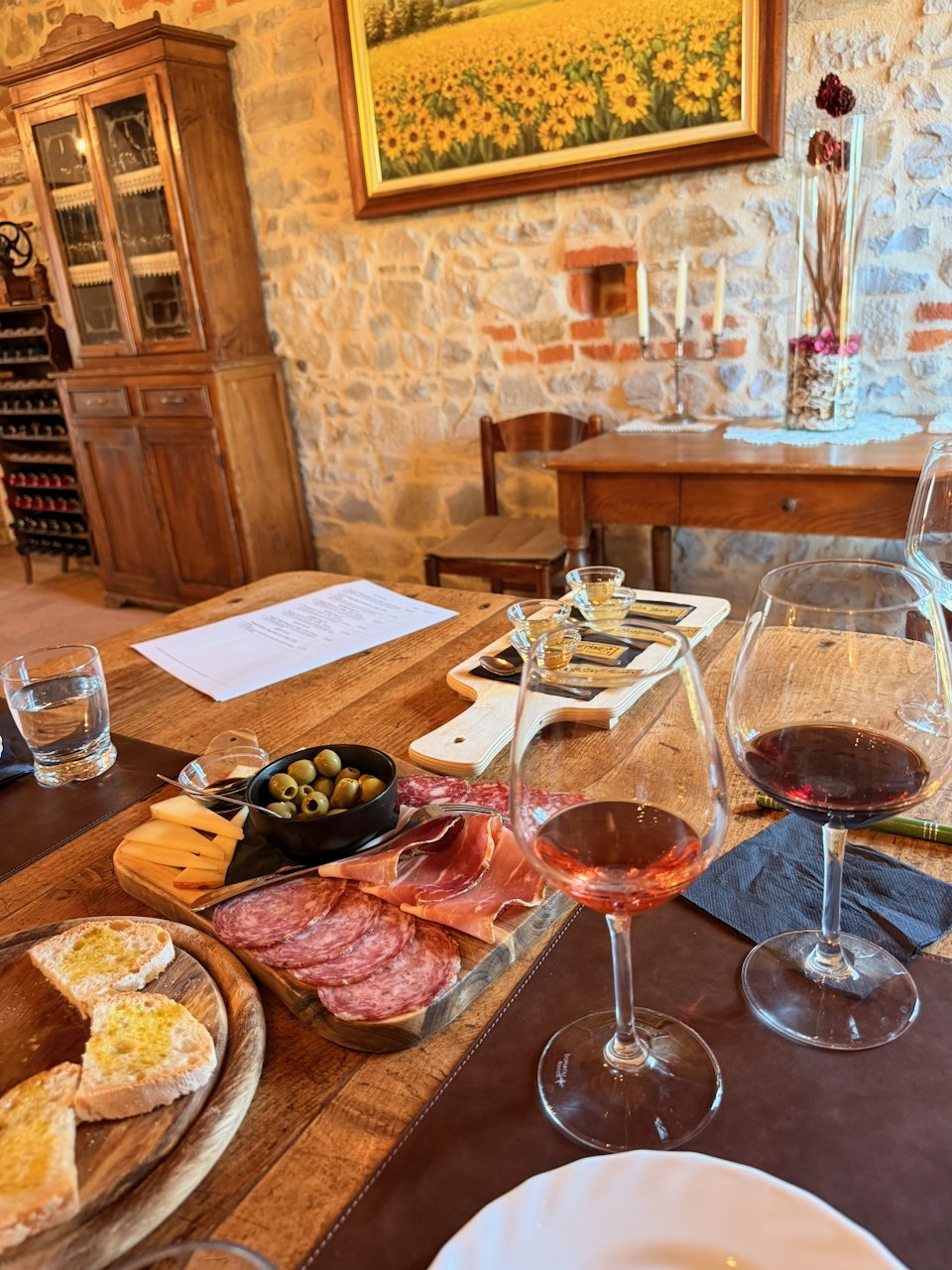
A spectacular wine tasting at Semboloni Winery in Tuscany
Driving through the Tuscan and Umbrian countryside was a highlight of our trip. In the summer, the fields between cities are blanketed in yellow sunflowers.
Having a car gave us the freedom to discover places we wouldn’t normally have seen. We visited Buccia Nera for a wine tasting, where I had the best locally based biscotti of my life, explored the beautiful grounds of Badia a Coltibuono, founded in 1051, and enjoyed one of my favorite wine tastings ever at the family-owned Semboloni Winery. All three locations keep tastings small, making the whole experience feel personal and unhurried. Plus you’re often hosted by the owners, which just makes the experience that much more special.
Renting a car is a great way to get off the beaten path, but it requires two people: one to drive and one to navigate. Between unfamiliar traffic laws, getting rerouted due to summer road work, avoiding pedestrian zones with hefty fines, and tiny village streets, you’ll be happy to have a second set of eyes in the car.
11. Tuesdays Are The Busiest Days
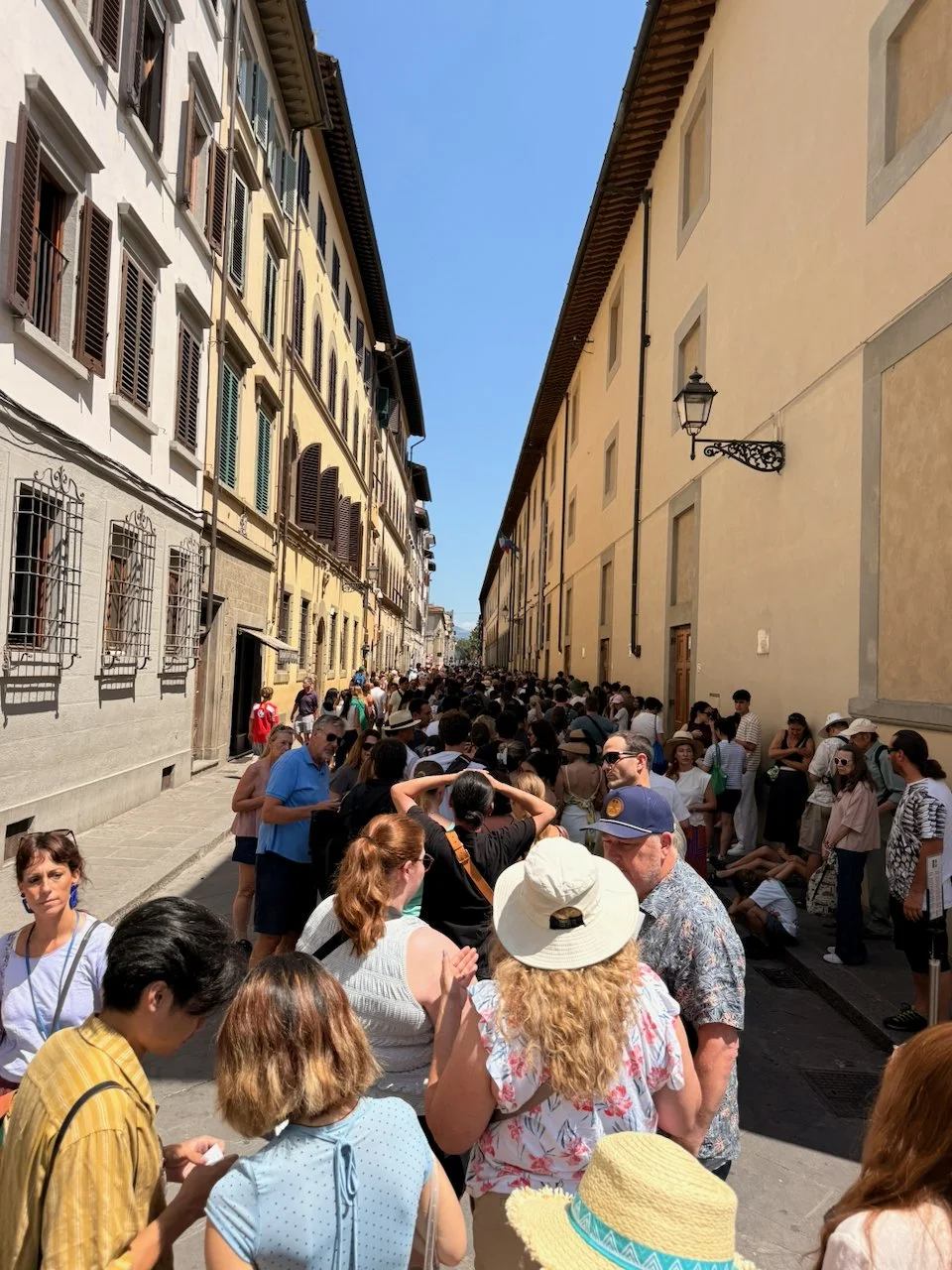
The Accademia Gallery entry line for ticket holders in Florence
Timing matters. Europe is old-school, so most businesses are closed on Sundays, allowing locals to prioritize religion, family time, and relaxation. Museums usually close on Mondays. Cruise ships are typically in port Tuesday through Thursday, bringing thousands of additional visitors into cities. This makes Tuesday, when everything is open and cruise ships are docked, the busiest day of the week. If your schedule is flexible, paying attention to these little details and planning accordingly can make a big difference. We always try to take that into consideration when planning out your trip, so that you’re not stuck navigating the crowds of cruising group tours.
12. Respect The Heatwaves
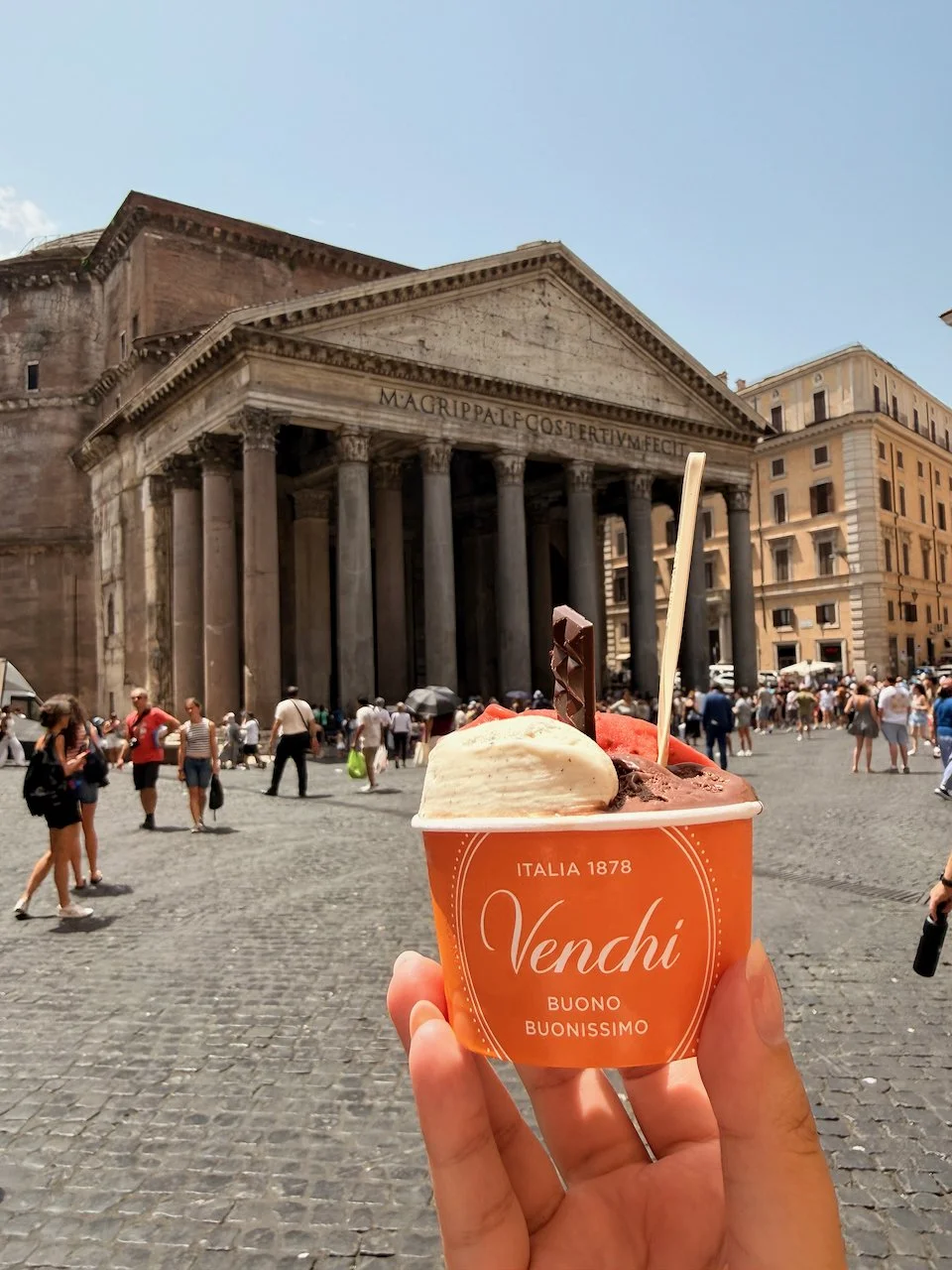
Some of the best gelato located near the Pantheon
I knew Italy in July would be hot, but this summer was actually record hot. Temperatures reached an all-time high, making it really difficult to stay cool.
Most European buildings were constructed centuries before air conditioning existed, so many restaurants, theatres, public transportation options, and museums have limited AC or simply don’t have AC at all. It’s actually causing some problems, especially at museums where art directors are struggling with how to keep art at the right temperature.
Instead of trying to power through the hottest part of the day, plan your itinerary around it. I found it worked best to explore early in the morning, slow down after lunch, and head back out in the evening once the temperatures began to drop.
A few ways we cooled off during the afternoon heat were going for a swim back at our hotel, having a pre-dinner drink on a shady patio, or getting another gelato. We also found that an underground attraction was a good place to escape the sun. We toured the San Callisto and San Sebastiano catacombs with a Vatican priest. We saw a remarkably intact pagan mausoleum and other treasures hidden right below our feet, all at a cool 60-degree temperature.
The heat can really zap your energy levels, so staying hydrated and taking a break is important. Balance is key to enjoying your trip. Don’t forget to bring a reusable water bottle and take advantage of the public water fountains located all over the cities. They were our saving grace.
You’re Euro Summer Ready
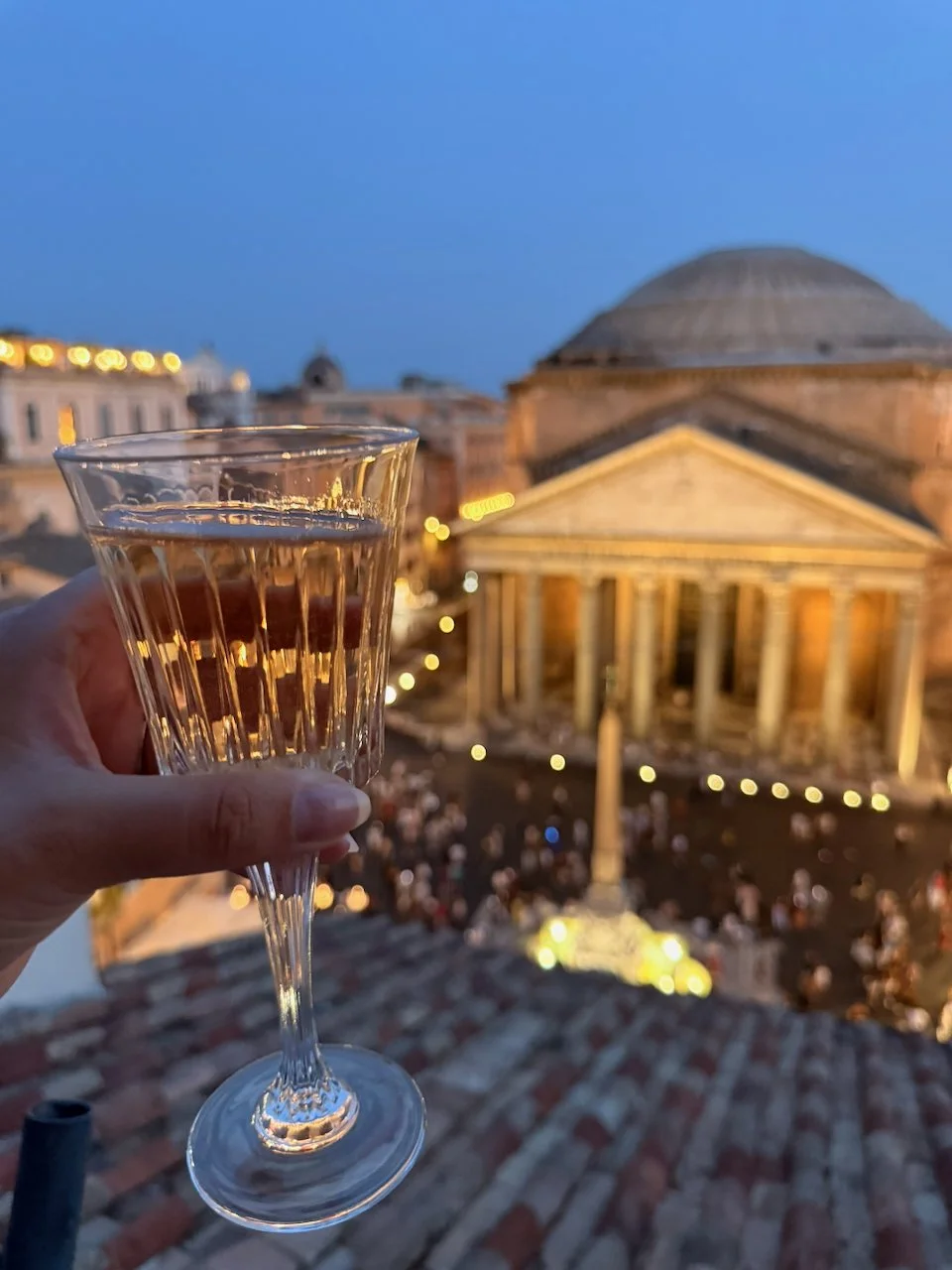
Post dinner wine from our suite terrace in Rome, overlooking the Pantheon
I came home from Italy with a much better understanding of what makes a Euro Summer vacation memorable.
It’s not about seeing every landmark or squeezing five countries into seven days. It’s about slowing down to enjoy the little moments that make a place special. The homemade gelato on a sweltering summer day, the up-close look at artisan workshops, and the family-run businesses sharing their years of expertise.
Having someone help you find these moments makes such a difference. As a travel advisor, I help my clients experience the best parts of Europe without the stress of coordinating every detail themselves. From arranging seamless airport transfers to selecting hotels that fit your travel style and booking private guided excursions, I’ll get you Euro Summer ready.
